Who Owns the Magic? Disney, Moana, and the Weird Legal Problem With AI
When Disney makes headlines, it’s usually for casting news, surprise trailers, or another billion-dollar box office weekend. But the latest buzz isn’t about what’s coming to theaters - it’s about what’s not.
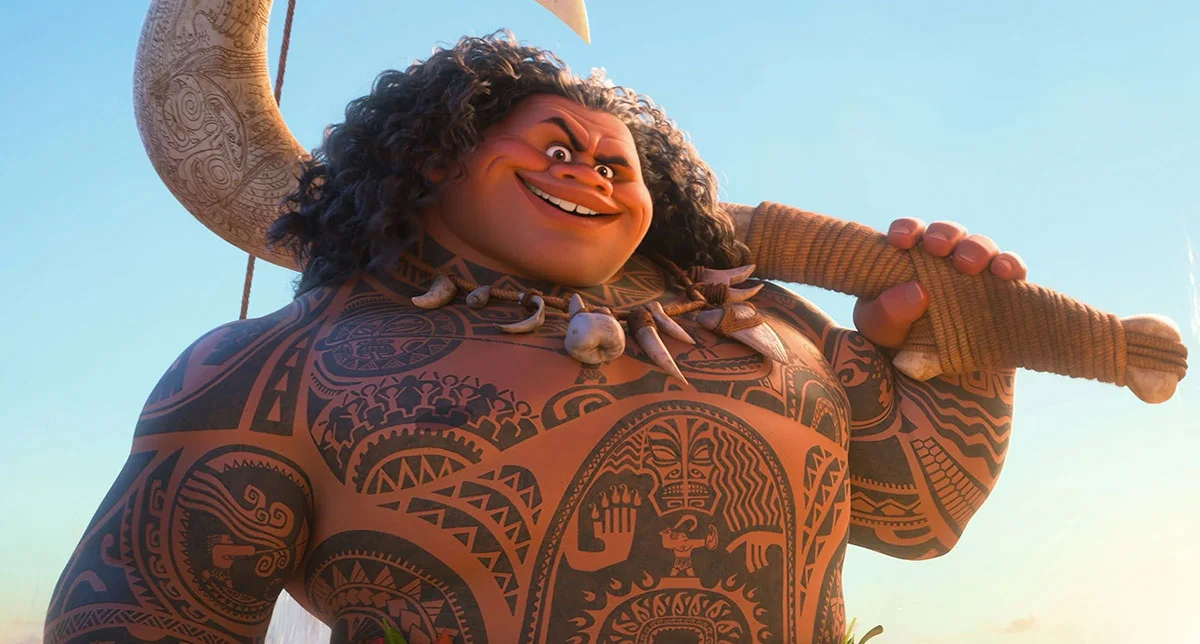
According to reports, Disney briefly flirted with the idea of using artificial intelligence to generate Dwayne “The Rock” Johnson’s likeness and voice for the upcoming live-action Moana. Then they scrapped the plan. Not because the tech wasn’t ready, but because the law isn’t.
The problem? In the U.S., if a work is created entirely by AI, it’s not eligible for copyright. That means Disney could’ve spent millions producing an AI-generated Maui… only to find that legally, anyone could copy him. Not exactly the kind of magic Disney likes to share.
The Moana What-If
Imagine Disney releases Moana 2.0, complete with a fully AI-generated Maui. It looks great, sounds perfect, and costs a fraction of what a live shoot would.
Now imagine another studio downloads that movie, swaps out a few details, and sells “Maui’s Great Adventure” on Blu-ray - totally legally. That’s the nightmare scenario for a company that has turned locking down its intellectual property into an art form.
Disney’s rumored decision wasn’t about protecting Dwayne Johnson from AI deepfakery (he reportedly gave consent for the project). It was about protecting Disney. And right now, the safest way to protect your work is to make sure there’s an actual human creative hand steering the ship.
AI + Copyright: The Awkward Reality
Here’s the short version:
U.S. copyright law only covers works with human authorship.
AI-generated content without significant human creative input? Public domain, baby.
The Copyright Office has doubled down on this in cases like:
Thaler v. Perlmutter: An AI-generated image was denied copyright.
Zarya of the Dawn: A comic book got protection for its text, but not for its Midjourney-created art.
Translation: If the AI did all the heavy lifting, you own nothing - and everyone owns everything.
Why Hollywood Is Nervous
This isn’t just a Disney problem. It’s a Hollywood problem. Studios live and die by IP control. That’s why they guard things like the Star Wars logo or the shape of Mickey’s ears like state secrets.
If AI-generated characters, scripts, or songs can’t be copyrighted, the entire business model of exclusive franchises gets shaky. And it’s not just about movies - it’s about theme parks, merch, spin-offs, and licensing deals that can run for decades.
Then there’s the extra wrinkle of rights of publicity - laws protecting a performer’s likeness and voice. Even if you get an actor’s sign-off to use AI, you can still lose the ability to lock down the final product.
What’s Next?
Right now, there are four main ways creators and studios are trying to navigate the AI copyright mess:
Keep Humans in the Loop
- Make sure there’s enough human creativity involved so the work qualifies for copyright.
Lock It Down with Contracts
- Use legal agreements to protect AI-assisted works even if copyright won’t.
Push for New Laws
- Some countries are exploring new categories of copyright for AI creations; the U.S. isn’t there yet.
Union Rules
- Groups like SAG-AFTRA are building AI clauses into contracts to protect performers.
The Bottom Line
Disney’s decision on Moana shows the paradox of AI in entertainment: The tech can make the impossible possible, but the law can make the possible worthless. This could become a major protection for content creators who fear that AI is coming for their livelihoods.
Until lawmakers figure out how to handle AI authorship, studios are going to keep threading the needle - using AI as a tool, not the whole engine. Because in Hollywood, you can’t sell magic if you don’t own it.
5 Fast Facts About AI Copyright
U.S. law requires human authorship for copyright.
Fully AI-made works? Public domain.
AI-assisted works can be copyrighted if humans make creative contributions.
Publicity rights protect a person’s likeness and voice separately from copyright.
No country has a universally recognized AI copyright framework - yet.